
Retail theft is a big problem for stores. Whether it’s shoplifting, employee theft, or organized crime, businesses lose a lot of money every year. For retail stores, theft can cause huge losses, hurt the business’s reputation, and make customers lose trust. That’s why it’s very important to have good security strategies in place to reduce theft.
In this blog, we will talk about several easy-to-follow security strategies that can help retail stores lower theft. We’ll cover every thing from simple security measures to advanced technology. If you run or manage a store, keep reading to find out how you can stop theft and protect your store.
1. Use Video Surveillance Systems
One of the best ways to stop theft is by using video cameras. Cameras in your store can stop thieves from stealing. They also help catch the thief if something happens.
Why Cameras Work:
Stop Thieves: Thieves are less likely to steal if they know they are being watched.
Catch Thieves: If something is stolen, the footage from the camera can help catch the person who did it.
Watch the Store: Store owners or managers can look at the cameras to watch for suspicious behavior.
Place cameras in areas where theft happens most, such as entrances, exits, aisles, and near expensive items. Make sure the cameras are clear, even in low light.
2. Train Employees to Spot Theft
Your employees are very important in stopping theft. If they know what to look for, they can stop theft before it happens.
What to Teach Employees:
How to Spot Thieves: Teach employees to look for signs like nervous customers, people hiding items, or people leaving without paying.
What to Do: Teach employees how to respond if they see someone acting suspiciously. They should know when to tell a manager or security.
How to Handle Situations: Employees should know how to manage situations safely and without making the situation worse.
Training your employees to spot and react to theft can help stop it before it happens.
3. Use Electronic Article Surveillance (EAS)
EAS systems are used to stop shoplifting. They work by putting special tags on items. If someone tries to leave the store with a tagged item without paying, an alarm will go off.
How EAS Systems Work:
Security Tags: Each item has a small security tag or sticker.
Sensors: At the exits, there are sensors that can detect the tags.
Alarm: If someone tries to leave with an item that hasn’t been paid for, the sensors will sound an alarm.
EAS systems are a good way to stop shoplifting and give your store an extra layer of protection.
4. Hire Security Guards
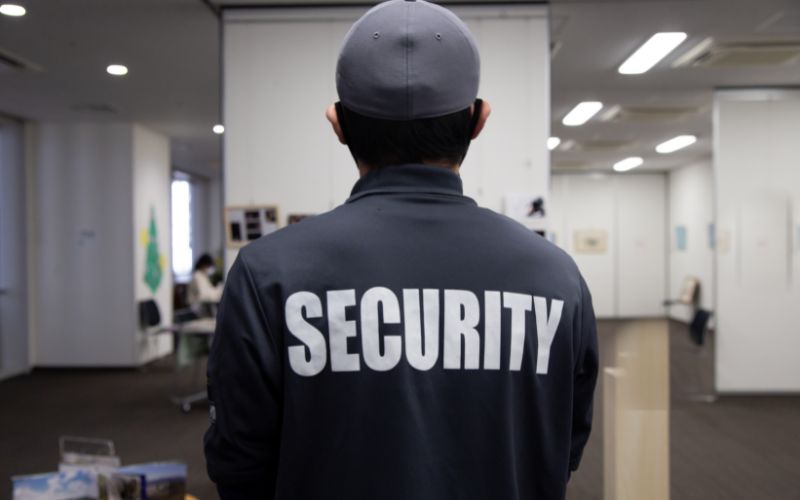
While technology is important, having a security guard in the store can help a lot. Security guards are trained to stop theft and protect the store.
Why Security Guards Help:
Visible Protection: Having a security guard in the store makes thieves less likely to try to steal.
Quick Action: If theft happens, security guards can react quickly and help catch the thief.
Customer Confidence: Customers feel safer knowing there is someone watching over the store.
Hiring security guards can make your store safer and help stop theft before it happens.
5. Use Proper Lighting
Good lighting in your store is simple but very effective. When the store is well-lit, thieves have fewer places to hide. It also makes it easier for staff to see what’s going on.
Where to Add Lighting:
At the Entrance and Exit: These areas are key because thieves often try to leave the store without paying.
Aisles and Shelves: Make sure all parts of the store, especially those with expensive items, are well-lit.
Backrooms and Storage Areas: These places are often overlooked, so make sure they are lit well to prevent theft.
Good lighting helps you keep an eye on the store and makes it harder for thieves to hide.
6. Lock Expensive Items
Items like electronics, jewelry, and high-end clothing are often stolen. By locking these items in display cases or behind counters, you can make it harder for thieves to steal them.
How to Protect Expensive Items:
Lock Them in Display Cases: Put high-value items inside locked glass cases that only employees can open.
Behind the Counter: Keep items like expensive phones or jewelry behind the counter.
Extra Security: Use sensors or tags on high-value items to add extra protection.
Locking up valuable items helps protect the most important products in your store.
7. Keep the Store Organized
A well-organized store can help prevent theft. If the store is messy, it’s easier for thieves to hide items. A clean and organized store makes it harder to steal.
How to Keep the Store Organized:
Wide Aisles: Make sure aisles are wide enough for customers to move easily. Thieves can hide things in narrow aisles.
Place Products in Easy-to-See Areas: Don’t put expensive items in hard-to-see corners. Keep them in open, visible places.
Keep Everything Visible: Arrange your shelves so employees can see everything clearly, making it harder for thieves to hide anything.
A neat and organized store helps everyone see what’s going on, making theft less likely.
8. Use Point-of-Sale (POS) System Controls
Your Point-of-Sale (POS) system is helpful in tracking inventory and sales. If there is a big difference between your sales and your inventory, it could mean something is being stolen.
How POS Systems Help:
Track Items: Modern POS systems can show you how much stock you have, and they can alert you if something goes missing.
Monitor Employees: You can check employee sales and transactions to make sure no one is stealing.
Spot Trends: Your POS system can show you which items are being stolen the most so you can add extra security for those products.
POS systems are an easy way to keep track of inventory and catch theft early.
Conclusion
Reducing theft in retail stores takes a combination of good security, smart planning, and employee training. By following these security strategies, you can protect your store, your merchandise, and your profits. No single method is enough, so it’s important to use a mix of tools like cameras, security systems, and trained staff. A store with strong security is a safer place for both employees and customers, and it’s less likely to lose money to theft.
By staying proactive and checking your security regularly, you can stay ahead of thieves and keep your store safe.
FAQs
Q1: What is the best way to prevent theft in a retail store?
The best way to stop theft is by using a mix of different strategies. Use video cameras, train your employees, set up security systems, and keep your store organized. When you combine these things, you reduce the chances of theft.
Q2: Can cameras stop theft by themselves?
Cameras are helpful and can stop some thefts. However, they work best when you also use other methods, like training employees, using security tags, and having security guards.
Q3: Do I need security guards in my store?
You don’t always need security guards, but they can be very helpful. Stores that have a lot of expensive items or are in high-risk areas should consider hiring security guards. They add another layer of protection.
Q4: How can I train my employees to stop theft?
Teach employees how to spot theft and what to do when they see suspicious behavior. They should also know how to handle situations calmly and safely. Regular training will make sure everyone is ready to act if needed.
Q5: How do EAS systems work?
EAS systems use special tags on merchandise. When someone tries to leave the store with an item that hasn’t been paid for, an alarm will go off as they pass through the exit sensors.


