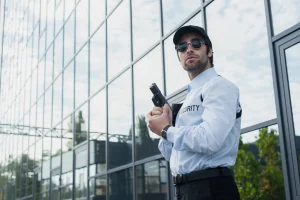
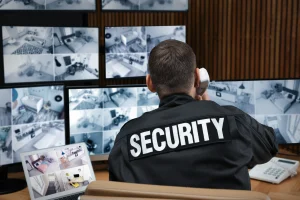
Quick answer: the cost of a security guard in California depends on what the guard has to do, when they work, and whether the post is armed. The floor is set by labor costs. California’s minimum wage is $16.90 an hour in 2026, and the US Bureau of Labor Statistics puts the median security guard wage at $38,020 a year (May 2025). A licensed company’s hourly rate sits above the guard’s pay because it also covers payroll taxes, workers’ compensation, liability insurance, training, supervision and backup cover. The fastest way to get a real number is a free site assessment and written quote.
This guide explains what goes into a security guard quote in Los Angeles, Riverside, the Inland Empire, Orange County and San Diego, so you can compare quotes properly and avoid paying for the wrong kind of coverage.
What sets the cost of a security guard in California?
Every quote is built from the same handful of factors. Knowing them helps you spot a quote that is too low to be legal or too high for what you need.
1. Guard wages and California labor law
Wages are the biggest part of any security bill. California has one of the highest state minimum wages in the country, and guards must also be paid overtime under state rules once they pass 8 hours in a day or 40 hours in a week. A post that runs 24 hours a day, 7 days a week needs about 168 guard hours a week, which means several officers on rotating shifts rather than one person.
2. Unarmed or armed post
An unarmed officer needs a BSIS guard registration. An armed officer also needs a BSIS firearm permit, extra range training and regular requalification. That extra training, the higher insurance risk and the smaller pool of qualified officers all push armed rates higher. Most sites in Southern California do well with unarmed officers. Armed posts make sense for cash handling, high value goods or a known threat. Our guide on armed vs unarmed security covers how to choose.
3. Hours, nights, weekends and holidays
Overnight, weekend and holiday shifts are harder to staff, and holiday hours often carry premium pay. Short shifts can also cost more per hour, because most companies set a minimum shift length so the officer’s travel and setup time is worth it.
4. Standing guard or mobile patrol
A standing guard stays on your site for the full shift. A mobile patrol visits several properties per night and checks yours at random times. Patrols cost far less than a full time officer because the cost is shared across a route. They suit vacant buildings, yards, HOAs and business parks that need presence without a person on site all night.
5. Insurance, licensing and compliance
A licensed Private Patrol Operator (PPO) must carry insurance, pay workers’ compensation, run background checks and keep guard training records. These costs are real. An unusually cheap quote can be a sign that a provider is cutting corners on insurance or using unregistered guards, which puts the liability back on you. You can check any guard or company on the state’s lookup in a few minutes. We explain how in our guide to checking a security guard license in California.
6. Site risk and special duties
Fire watch, hospital security, construction sites, events and VIP protection all need extra training or certification. A fire watch guard, for example, must follow the local fire department’s patrol and logging rules. Specialist posts cost more than a lobby or front desk officer.
7. Contract length and volume
Ongoing contracts with steady hours are cheaper per hour than one-off or last-minute requests. Same day or emergency security is available, but short notice always costs more to staff.
Why a guard company charges more than the guard earns
Owners are sometimes surprised that the company rate is well above the guard’s pay. Here is what that difference pays for:
- Employer payroll taxes and California workers’ compensation insurance
- General liability insurance that protects your property and visitors
- BSIS required training: 40 hours for new guards plus 8 hours of continuing training each year
- Field supervisors, a 24/7 dispatch line and backup officers when someone calls in sick
- Uniforms, radios, patrol vehicles and incident reporting software
- Recruiting, background checks and the PPO license itself
Hiring a guard directly can look cheaper on paper, but you then take on the payroll, the training, the insurance and the legal risk yourself.
How to keep your security costs under control
- Match the post to the risk. Do not pay for 24/7 armed cover if a night patrol and good cameras would do the job.
- Combine guards with technology. CCTV monitoring and alarm response can cover quiet hours, with a guard sent only when needed.
- Plan ahead. Book holiday and event coverage early.
- Write clear post orders. Clear duties stop you paying for hours that add no value.
- Review every quarter. Crime patterns change. A good provider will suggest changes to your hours, not just bill them.
What to ask for in a security guard quote
- The company’s PPO license number and proof of insurance
- The hourly rate for each post type (unarmed, armed, patrol) and the holiday rate
- Minimum shift length and overtime rules
- How supervision, reporting and backup cover work
- Contract length, notice period and any setup fees
Get a free security quote from Barzo Security Services
Barzo Security Services is a licensed California security company based in Riverside. We provide security guard services, mobile patrol and site security across Los Angeles, Riverside, San Bernardino, Orange County, Temecula, Chula Vista, Bakersfield and the wider areas we cover. Tell us about your property and we will give you a clear written quote with no hidden fees.
Call +1 951 539 7013 (available 24/7) or request a quote online.
Frequently asked questions
How much does a security guard cost per hour in California?
There is no single rate. The price depends on whether the post is armed, the shift times, the length of the contract and the site’s risk. Wages are the floor: the state minimum wage is $16.90 an hour in 2026, and a licensed company adds payroll taxes, insurance, training and supervision on top. Ask for a written quote based on your actual site.
Is it cheaper to hire a security guard directly?
It can look cheaper, but you become the employer. You must handle payroll, workers’ compensation, liability insurance, BSIS training and backup cover. Under California law, a business that provides guards to other people must also hold a PPO license. Most owners find a licensed company safer and simpler.
Do armed security guards cost more than unarmed guards?
Yes. Armed officers need a BSIS firearm permit, range training and regular requalification, and they carry higher insurance costs. Use armed guards only where the risk calls for it.
Is mobile patrol cheaper than a full time guard?
Usually, yes. A patrol officer covers several sites on one route, so you pay for visits rather than a full shift. Patrols work well for vacant properties, HOAs, yards and business parks.
How much does 24/7 security cost?
A 24/7 post needs about 168 guard hours a week, so it usually costs the most. Many sites cut the bill by using a standing guard in busy hours and patrols or remote monitoring overnight.
Why are some security quotes so much cheaper than others?
Very low quotes can mean unlicensed guards, missing insurance or no backup staff. Always check the company’s PPO license and each guard’s registration on the state’s license lookup before you sign.
Sources: US Bureau of Labor Statistics, Occupational Outlook Handbook: Security Guards; California Department of Industrial Relations, Minimum Wage FAQ; California Bureau of Security and Investigative Services, Security Guard Fact Sheet.